Projects
Transportation
With continuous expansion and modernization of urban transportation systems, the demand for stability and reliability of power supply is increasing. Transportation infrastructure such as airports, railways, rapid transit, light rail, and highway monitoring systems rely on conversion stations to provide stable and continuous power support. However, some conversion stations, due to equipment aging, outdated technology, and insufficient capacity, can no longer meet the current system's power demand and pose safety hazards. To ensure the normal operation and safety of transportation systems and improve the stability and efficiency of power supply, transportation agencies actively promote conversion station replacement projects. The new generation of conversion stations will adopt advanced automation monitoring and energy-saving technologies, enhancing system stability while improving maintenance management efficiency, ensuring high-efficiency operations and safety guarantees for transportation systems.
Project Pain Points and Challenges
Overcome Challenges, Build High-Efficiency Green Energy Systems
Transportation infrastructures such as airports, railways, MRT, and highway monitoring systems have extremely high continuity requirements for power supply. Any power interruption can lead to transportation service paralysis, affecting public safety and traffic order. Therefore, the replacement process needs to be meticulously planned to avoid power outage risks. Additionally, transportation infrastructures are widely distributed and often located in high-traffic areas, requiring balancing traffic operations and construction safety during the construction period, limiting operation times and method choices. Furthermore, existing power equipment often consists of outdated systems used for many years, presenting compatibility and adjustment challenges with new technology integration. Finally, facing energy-saving, carbon reduction, and smart trends, the replacement solutions need to balance energy efficiency and system upgrades, increasing technical and cost burdens.
Solution
To ensure the uninterrupted operation of transportation infrastructure power replacement processes and maintain public safety, construction should be carried out in a highly flexible, low-interference manner. Firstly, through detailed risk assessment and power supply simulation, plan phased and timed replacement strategies, matched with dual power supply frameworks, uninterruptible power supply (UPS) systems, and temporary backup measures to ensure continuous power supply to key equipment. For construction restrictions in high-traffic areas, operations are conducted during nighttime or off-peak periods, and all projects requiring short power outages are pre-planned to be completed more precisely during outage times, adopting pre-assembled modular equipment to shorten construction time and reduce on-site risks.
Main Advantages
Success Cases
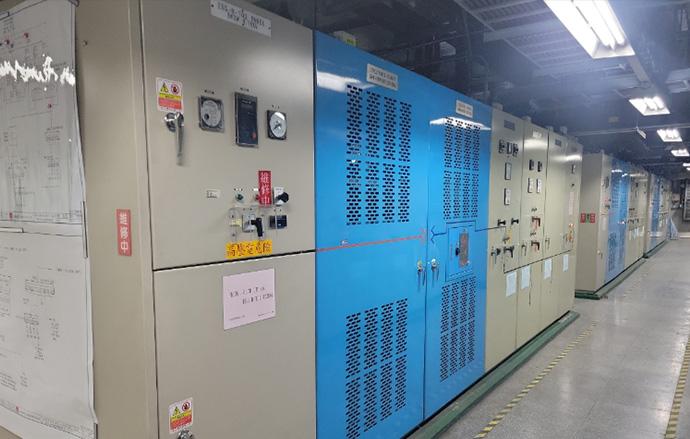
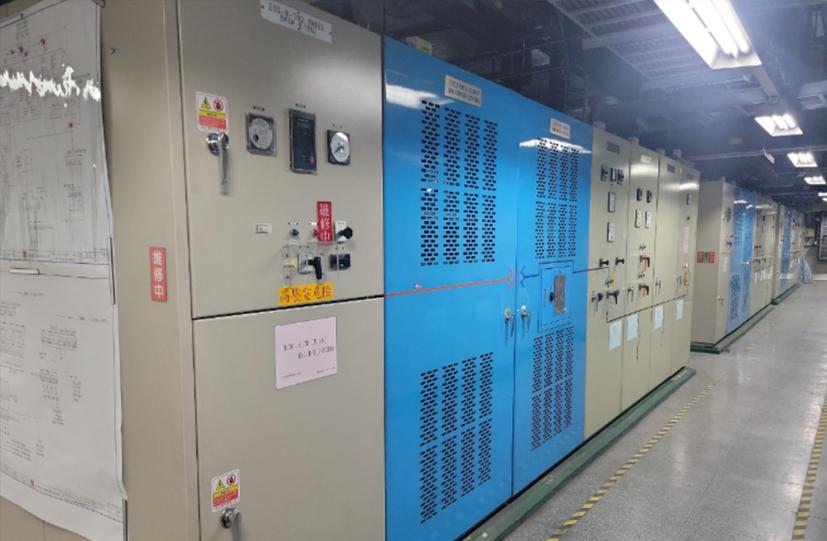
TAIPEI RAPID TRANSIT CORPORATION_Muzha Section Power Conversion Station 22kV Switchboard Reset Project
Switchboard Replacement
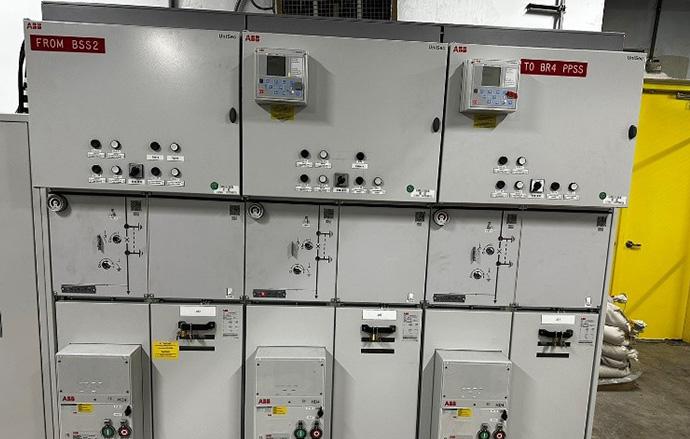
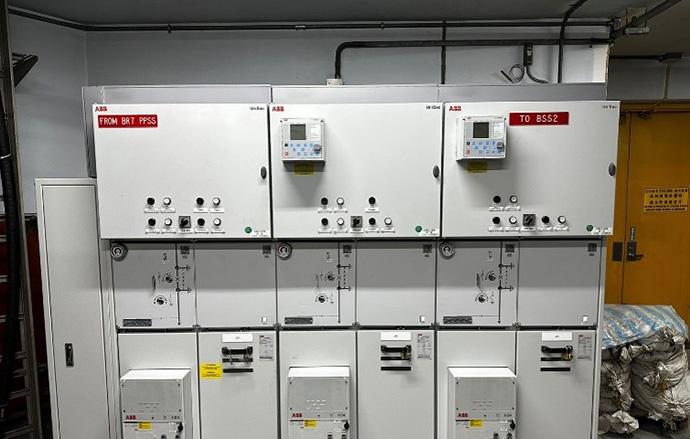
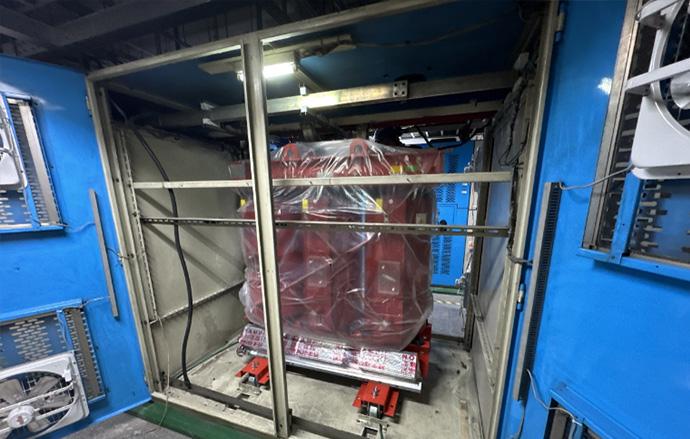
Taoyuan International Airport Corporation_First and Second Terminal High and Low Voltage Power System Replacement Project
Conversion Station Replacement Project