Projects
Power Company
As power demand continues to rise and power grid structures become increasingly complex, traditional transformer station equipment faces challenges such as aging, insufficient capacity, and outdated technology, making it difficult to effectively meet the high standards of stability, safety, and efficiency required by modern power systems. Coupled with the rapid development of smart grids and renewable energy, transformer stations must have higher automation, monitoring, and adjustment capabilities to enhance grid flexibility and reliability. To ensure stable power supply and improve overall system operational efficiency, power companies actively promote transformer station replacement and upgrade projects, introducing advanced equipment and intelligent management systems, which not only extend equipment lifespan but also strengthen power adjustment and rapid response to failures, promoting safe and stable grid operation to meet future energy transformation and intelligence needs.
Project Pain Points and Challenges
Overcoming Challenges, Building a High-Efficiency Green Energy System
During the replacement process, it is necessary to ensure the stability and continuity of power grid supply; any power outage could cause widespread impact, resulting in significant disruptions to social operations and economic activities. Therefore, the timing and method of construction must be extremely cautious. Secondly, existing power equipment often consists of widely distributed and long-operating old systems, and during the upgrade process, issues of equipment compatibility and technical integration are frequently encountered, increasing the difficulty and risk of the project. Furthermore, the scale of the replacement project is large and involves substantial capital, requiring a balance between cost-effectiveness and system upgrade needs. Additionally, with the rapid development of renewable energy and smart grid technologies, effectively integrating new technologies during the replacement process to enhance system flexibility and intelligence is also a major challenge. Finally, stringent safety standards and environmental regulations impose higher requirements on construction and equipment selection, increasing the complexity of the overall project.
Solutions
Facing the high-risk and high-complexity of power system replacement, construction plans prioritize ensuring grid stability and uninterrupted power supply. First, phased and zoned construction strategies should be established, with temporary power supply, environmental grid switching mechanisms, and contingency adjustment plans to ensure uninterrupted power supply during the replacement period. For compatibility issues between old equipment and new systems, simulations and small-scale tests can be conducted, using equipment that supports multi-protocol communication and modular design to enhance overall efficiency and future scalability. The entire process strictly complies with safety and environmental regulations, choosing high-efficiency and low-carbon emission equipment, and strengthening construction personnel education and on-site risk management systems to ensure construction quality, job safety, and sustainable development concurrently.
Main Advantages
Successful Cases
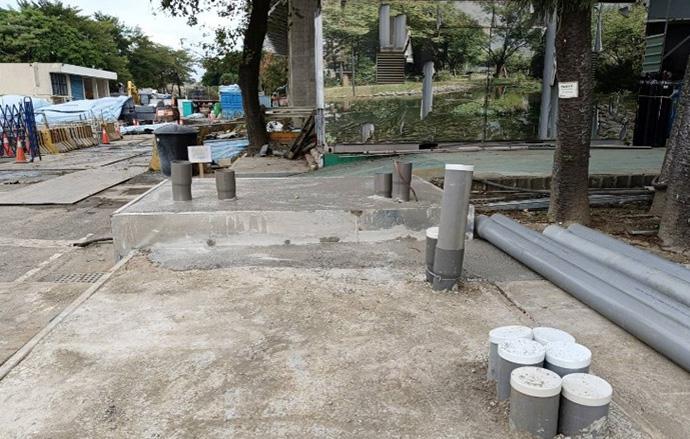
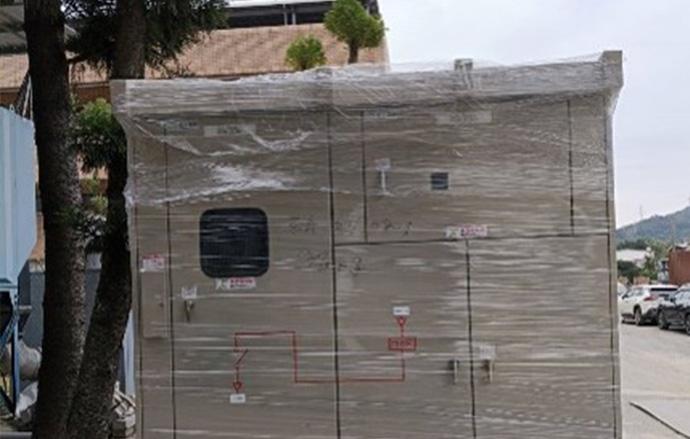
Power Distribution Line Burial and Power Replacement Project
Power Distribution Pipeline Installation and Power System Replacement Engineering