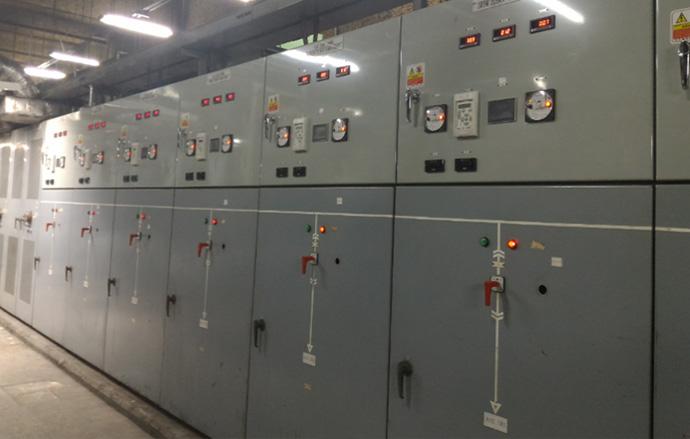
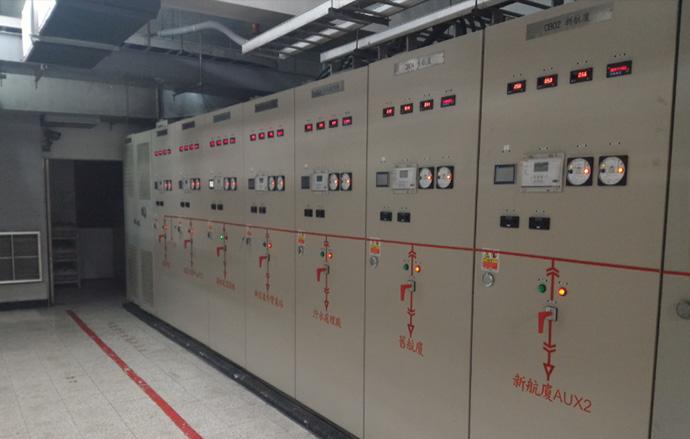
Projects
Telecommunications industry
With the rapid development of the telecommunications industry and continuous technological advancement, the stability and efficiency requirements for power supply by telecommunication equipment are also increasingly elevated. Traditional power systems, due to aging equipment, low efficiency, and strict environmental regulations, can no longer fully meet the needs of modern telecommunication infrastructure. Therefore, the replacement and upgrading projects of telecom power systems can ensure the stability and security of the overall network operation. At the same time, replacement projects are also crucial for improving energy utilization efficiency, reducing carbon emissions, aligning with green environmental trends, and integrating smart power management systems to further enhance maintenance efficiency and reduce costs. This project not only relates to the quality assurance of telecommunication services but is also a crucial factor in promoting sustainable enterprise development.
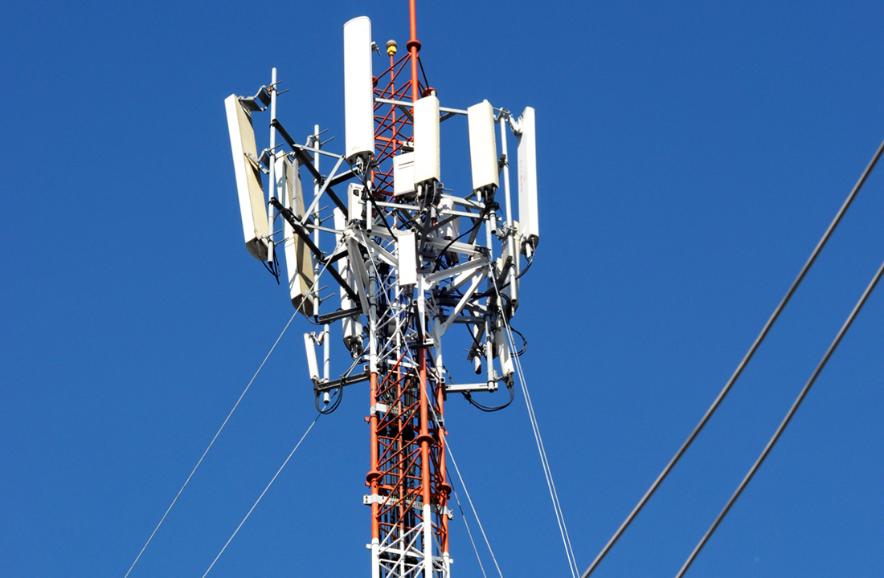
Project Pain Points and Challenges
Overcome Challenges, Build High-Efficiency Green Energy Systems
Telecommunication infrastructure requires high power stability and continuous supply; any power outage or fluctuation could lead to communication interruptions, affecting user experience and corporate reputation. Therefore, power interruptions must be strictly avoided during the replacement process. Additionally, traditional power equipment is old and widely distributed, involving multi-site coordination and high construction costs, with complex construction environments and higher safety risks. Furthermore, the integration of new equipment with existing systems requires overcoming technical compatibility issues to ensure a smooth system transition. Lastly, the telecommunications industry faces constantly changing energy efficiency and environmental protection regulations, requiring replacement solutions to balance cost-effectiveness with green environmental requirements, increasing planning and execution difficulties.
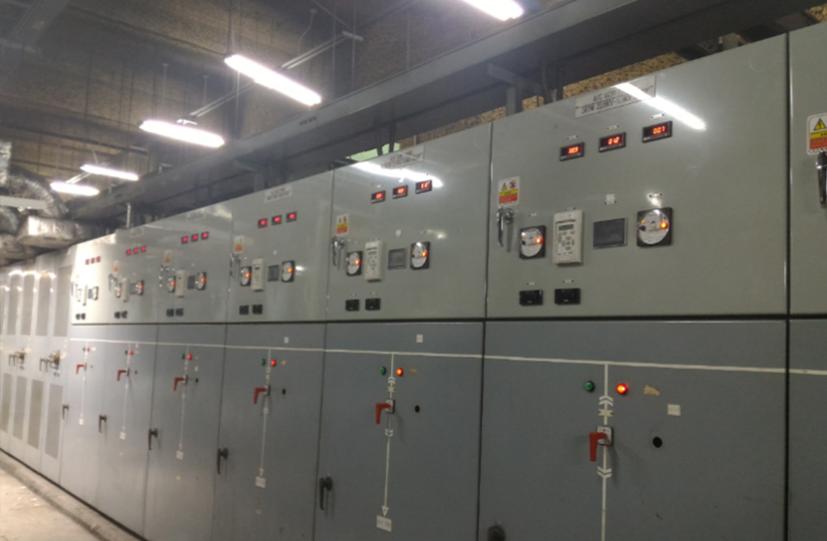
Solutions
To avoid power interruptions, adopt dual power supply architecture, uninterruptible power supply systems (UPS), and modular phased construction methods, paired with automatic transfer switches (ATS) to ensure continuous power supply during the construction period. Prioritize replacement order based on risk classification principles to improve efficiency and reduce resource waste. This helps ensure compatibility with existing systems and a smooth transition. Additionally, to meet energy efficiency and environmental protection regulations, high-efficiency energy-saving equipment and smart energy management systems can be introduced to achieve energy-saving and carbon-reduction goals.
Main Advantages
Successful Case Study
Chunghwa Telecom Co., Ltd. Southern Taiwan Telecommunications Branch - High Voltage Switchgear Overhaul Project
Transformer Station Replacement Project