Projects
Petrochemical Industry
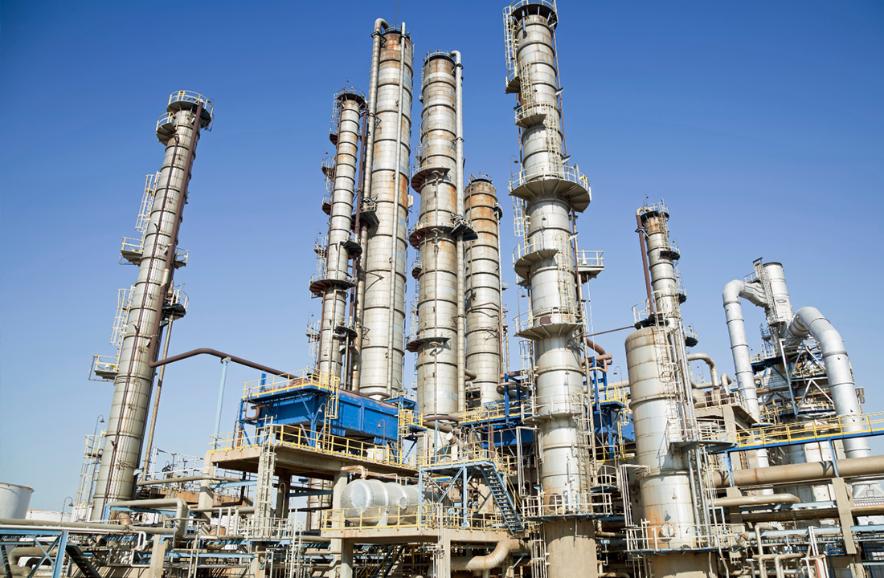
The petrochemical industry is a crucial foundation of modern industry, encompassing the refining of petroleum and natural gas, chemical manufacturing, and downstream product production, widely applied in plastics, synthetic fibers, rubber, agrochemicals, pharmaceuticals, and other fields. With global economic development and technological progress, the petrochemical industry continues to expand in scale and optimize process technologies to enhance production efficiency and product quality. Meanwhile, the industry faces dual challenges of increasingly stringent environmental protection regulations and energy transition, actively promoting green manufacturing and circular economy models, striving to reduce carbon emissions and resource consumption. The petrochemical industry plays a key role in driving economic growth, promoting industrial upgrading, and providing diverse material solutions, and will continue to advance towards sustainable development and innovative transformation in the future.
Project Pain Points and Challenges
Overcome Challenges and Build a High-Efficiency Green Energy System
Petrochemical facilities have extremely high requirements for power stability and safety. Any power outage can lead to production line halts, possibly causing safety accidents, resulting in significant economic losses and environmental risks. Therefore, continuous power supply must be ensured during the replacement process. Additionally, power equipment in petrochemical plants is often large-scale and complex, with old equipment distributed widely, requiring overcoming technical integration and system compatibility issues for upgrades. Furthermore, the construction environment is harsh, with risks such as high temperature, high pressure, and flammable and explosive materials, imposing strict requirements on construction safety management. Moreover, the petrochemical industry faces stringent environmental regulations, requiring replacement plans to balance energy-saving emissions reduction and compliance requirements, increasing design and implementation difficulty. Finally, the replacement projects involve multi-trade collaboration, tight schedules, and high challenges for construction planning and resource coordination.
Solutions
Adopt phased replacement and backup power strategies to ensure uninterrupted power during the production process, reducing shutdown risks. Additionally, conduct comprehensive equipment condition assessments and technical compatibility analyses, select high-efficiency energy-saving equipment that meets safety and environmental standards to ensure smooth system integration. Furthermore, strengthen construction safety management, establish strict construction guidelines and emergency plans for high-temperature, high-pressure, and flammable environments to safeguard construction personnel safety. Moreover, promote the introduction of intelligent monitoring and energy management systems to improve system operational transparency and management efficiency. Finally, establish cross-departmental coordination mechanisms and reasonable project scheduling to ensure orderly progress of all tasks, minimize production impact, and comply with environmental regulations.
Main Advantages
Successful Case Studies
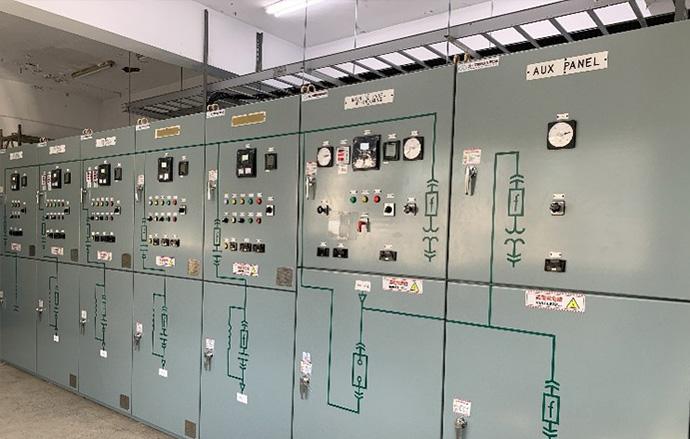
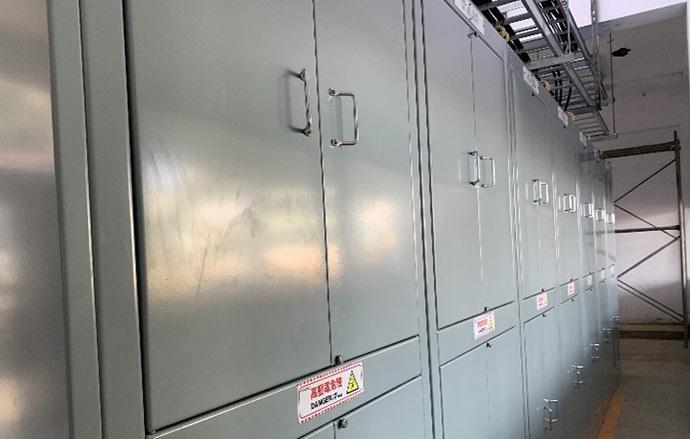
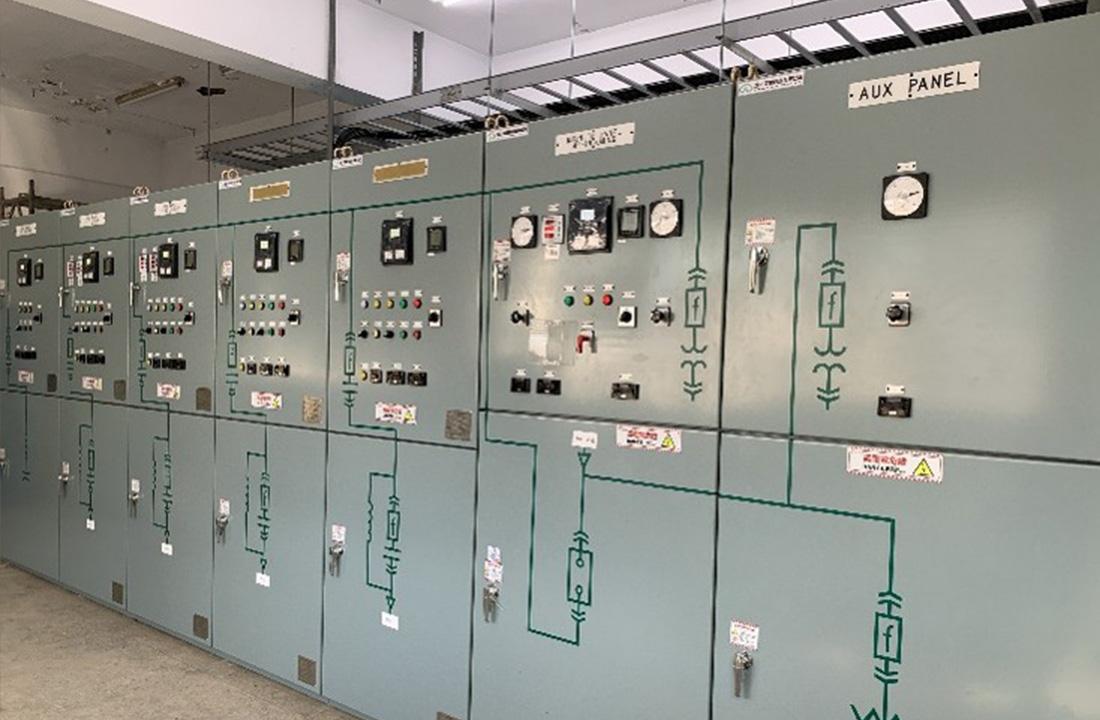
Taiwan Petroleum Corporation_Limited Company_ Five Stock Storage and Transport Plan 3.3kV High Voltage Distribution Board (including installation, testing, and educational training, etc.)
Substation Replacement Project