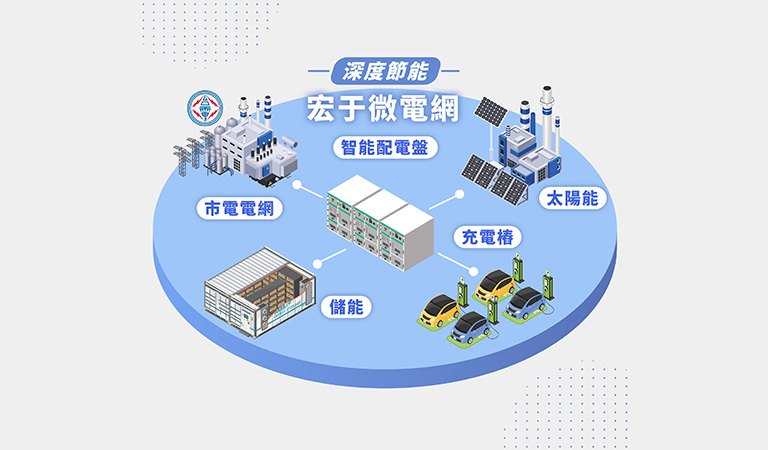
Service Advantages
Microgrid Integration and Construction
- Provide solar energy, energy storage systems, charging station equipment, and Energy Management System (EMS) integration design
- Customized microgrid configuration, enhancing power stability and support capabilities
- Assist in applying for government subsidies and energy-saving certification
Energy Storage System Introduction and Optimization
- Provide planning and construction for industrial and commercial energy storage systems
- Respond to Taipower demand response and instant backup, improving energy utilization efficiency
- Provide battery health monitoring, system maintenance, and intelligent power dispatch management
Energy Management and Efficiency Improvement
- Energy Diagnosis and Electricity Data Analysis
- Build an intelligent energy monitoring platform to grasp real-time energy usage status
- Introduce energy-saving equipment and strategies, reduce electricity costs and carbon emission expenses • Assist enterprises in establishing carbon management and energy management
Certification
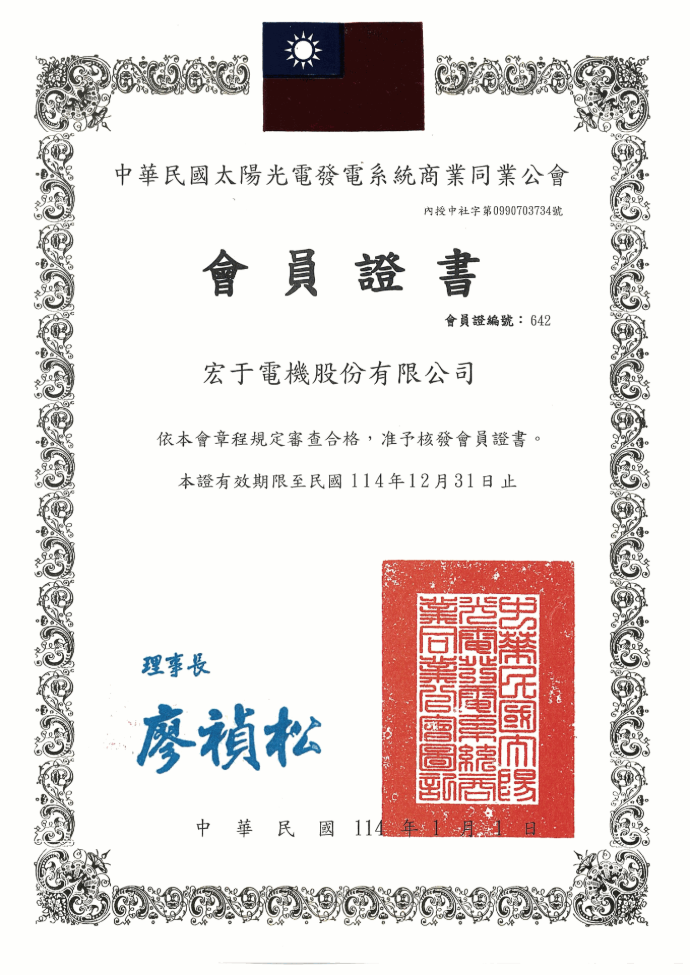
Republic of China Solar Power
Member of the Power Generation Systems Commercial Peer Association
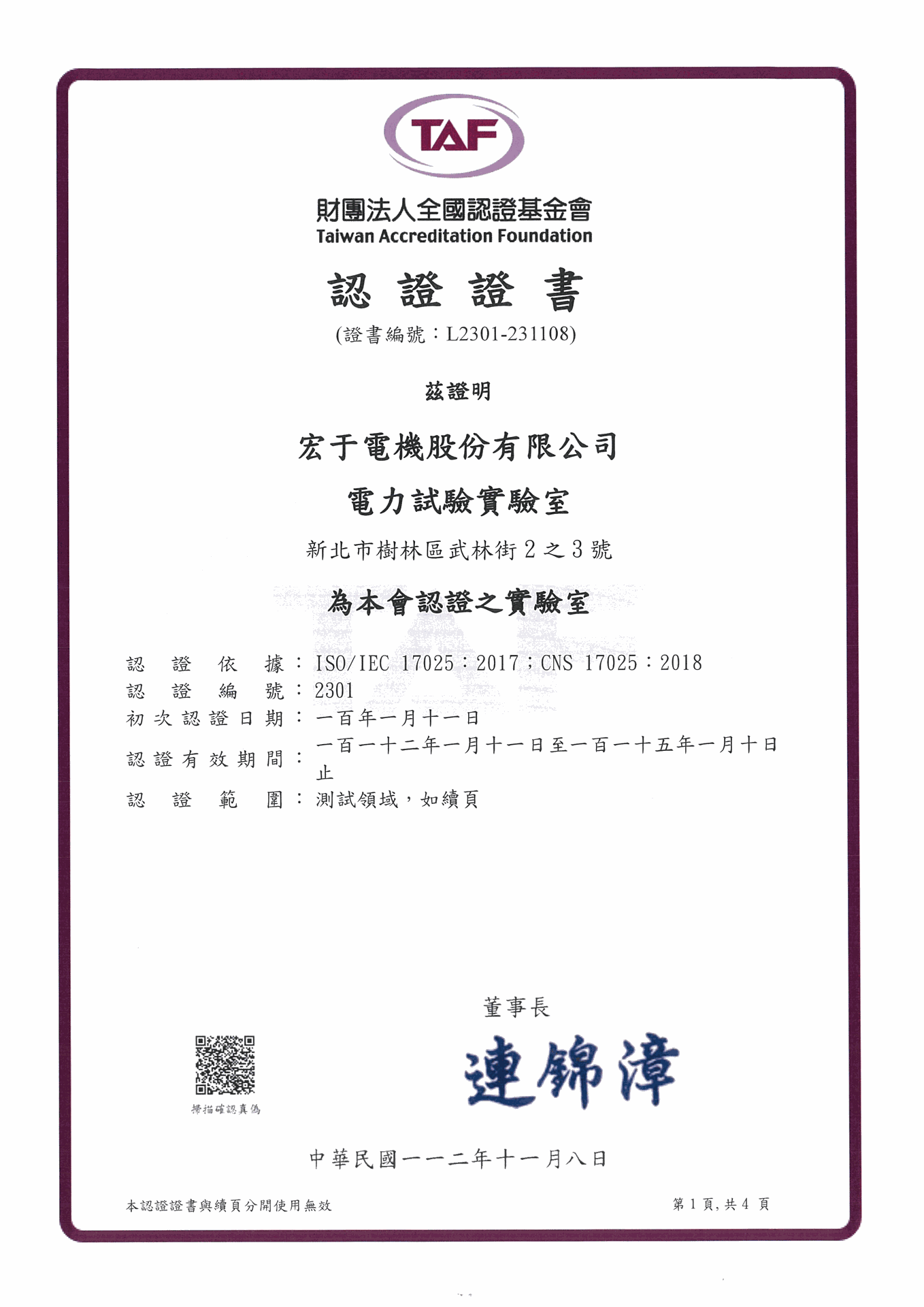
HCiT TAF Certification
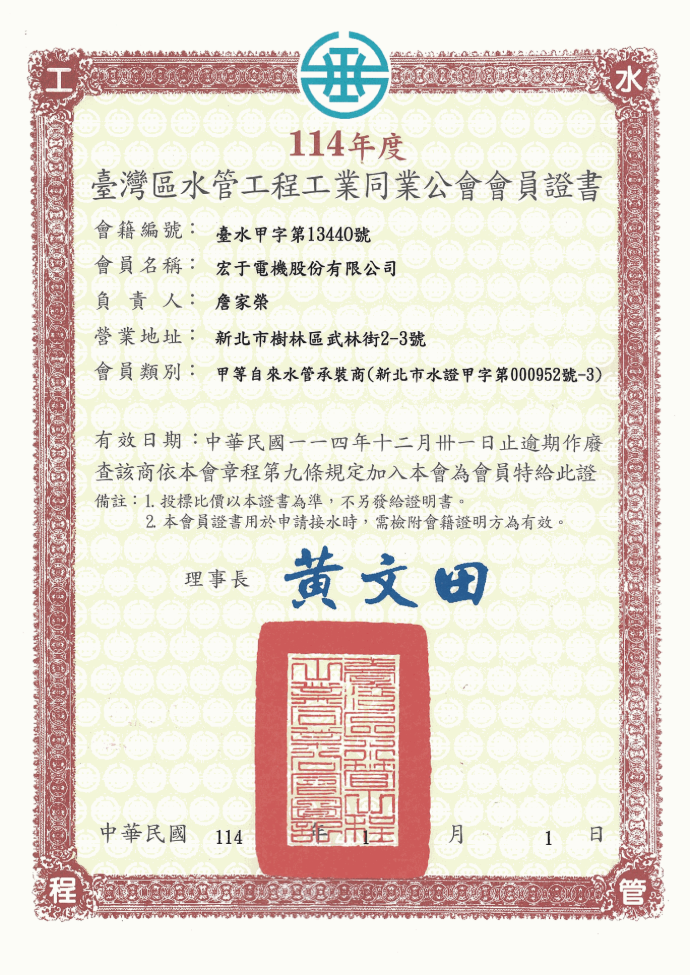
Water Engineering Industry Association Membership Certificate
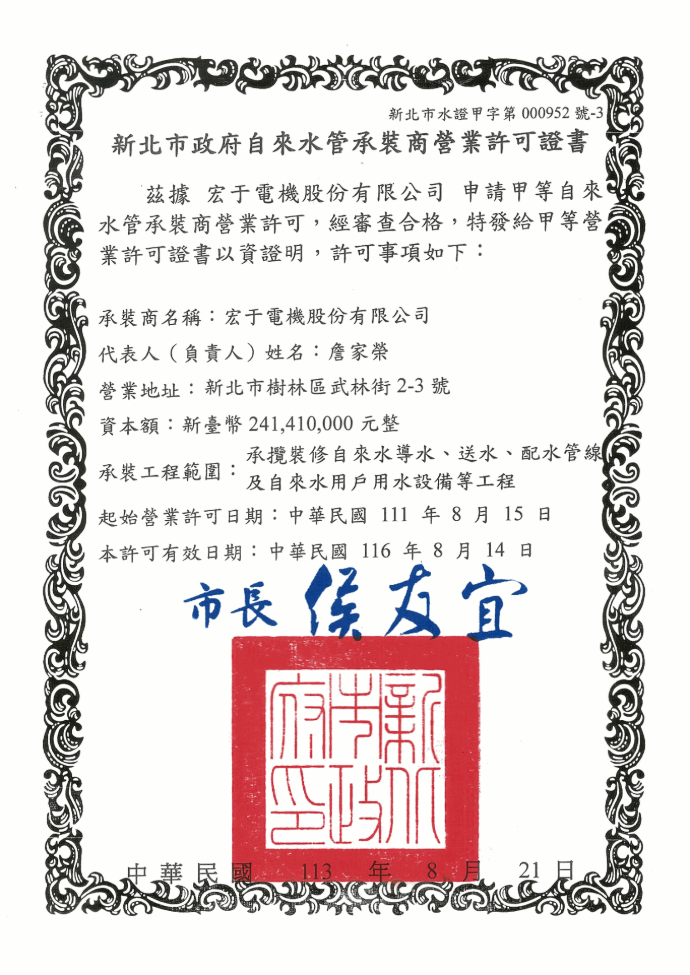
Self-Supplied Water Installation Business License
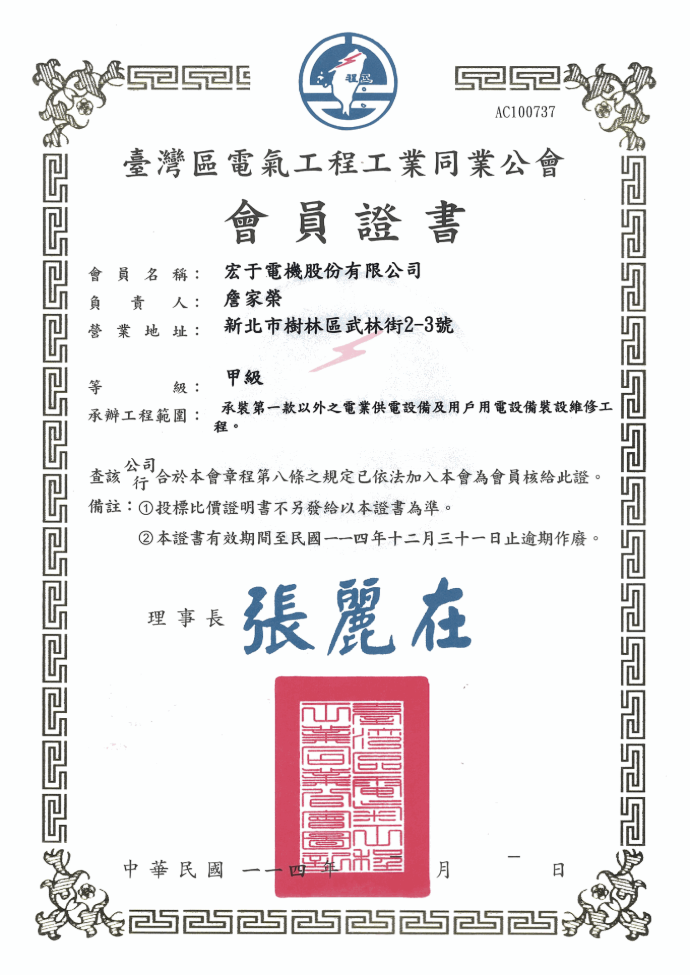
Electrical Engineering Industry Association Membership Certificate
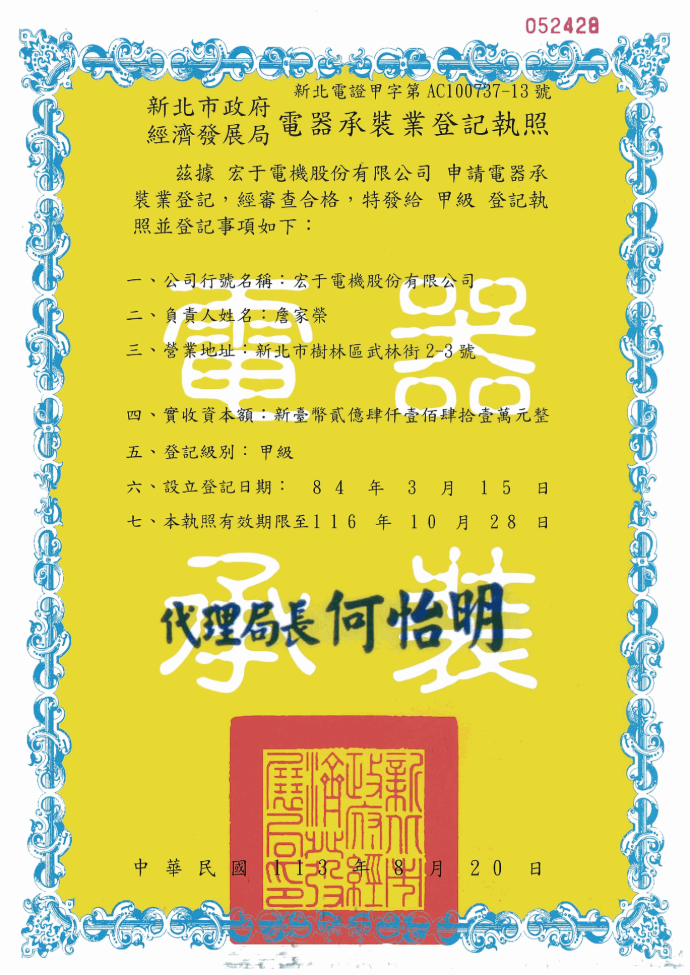
Electrical Equipment Installation Industry Registration License
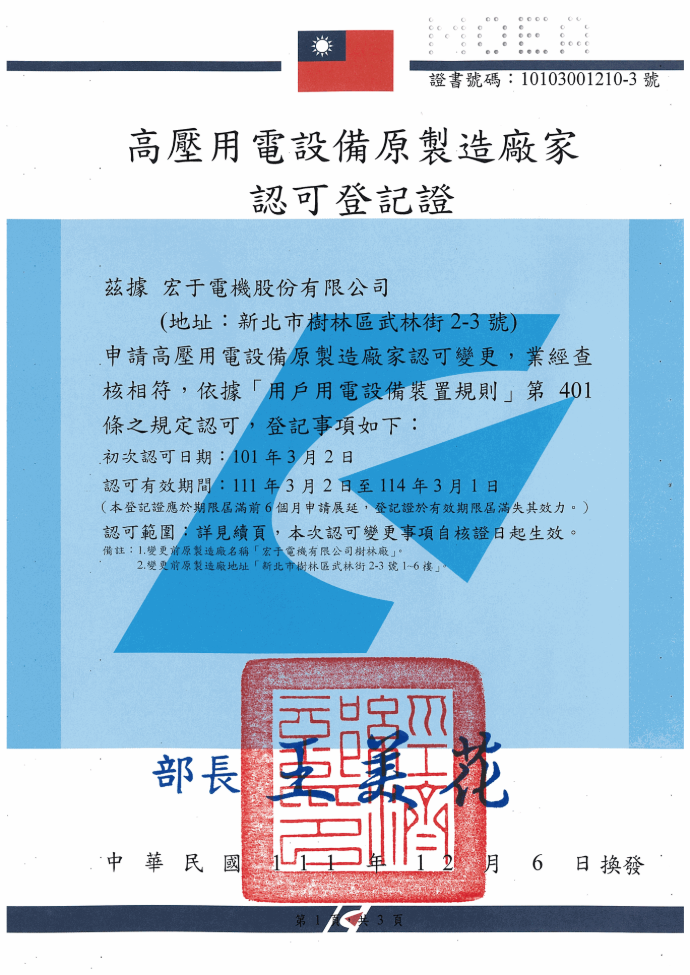
High Voltage Electrical Equipment Manufacturer Registration Certificate
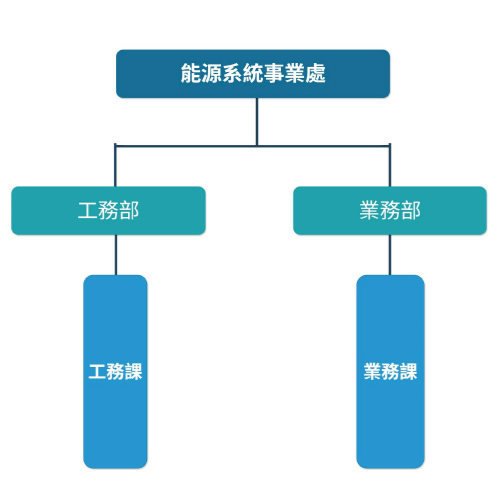
Team Introduction
Frequently Asked Questions

Q1What is a microgrid? Why is it necessary to build a microgrid?
A1
A microgrid is a type of small energy system that can operate independently, integrating solar power, battery storage, chargers, and energy management systems (EMS) among other energy equipment, to maintain power supply in certain areas during main grid outages. Building a microgrid can enhance energy autonomy and supply stability, particularly suitable for remote areas or locations with high demands for power stability.
Q2a0What are the benefits of building a microgrid for enterprises?
A2
Enterprise microgrid construction can reduce electricity costs, improve power reliability, and integrate with green energy generation equipment (such as solar energy), helping to achieve ESG and carbon neutrality goals. It can also serve as a backup system to prevent production interruptions or operational losses due to power outages.
Q3a0Why is it necessary to replace electrical engineering equipment?
A3
As the equipment's years of use increase, old electrical systems are prone to breakdowns, reduced efficiency, or non-compliance with current energy-saving and safety standards. Replacement can improve energy usage efficiency, reduce maintenance costs, and simultaneously reduce carbon emissions, achieving a win-win in environmental protection and economic benefits.
Q4a0Which new technologies can be integrated when replacing electromechanical equipment?
A4
Options are available to upgrade to high-efficiency equipment, including the introduction of advanced technologies such as high-efficiency air conditioning systems, LED lighting, and Energy Management Systems (EMS), which not only enhance system efficiency but also allow for real-time monitoring and optimization of energy usage.
Q5a0Challenges in integrating microgrid and mechanical systems?
A5
When integrating, it is necessary to consider the coordinated operation of different energy sources and loads, such as planning the capacity of energy storage systems, energy conversion efficiency, system stability control, and communication protocols between equipment. Through professional planning and integrated design, system safety, high efficiency, and stable operation can be ensured.